Black Epoxy Live Edge Tables: 2025 Complete Guide & Prices
A black epoxy live edge table combines the raw beauty of natural wood with dramatic black resin, creating stunning furniture pieces that serve as focal points in modern homes. These tables feature the natural edges of wood slabs preserved and enhanced with black epoxy resin, offering both functionality and artistic appeal that has made them increasingly popular in 2025.
What Makes Black Epoxy Live Edge Tables Special
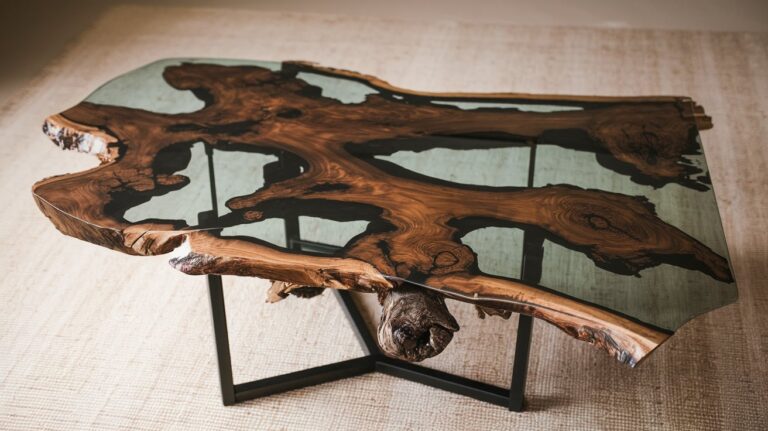
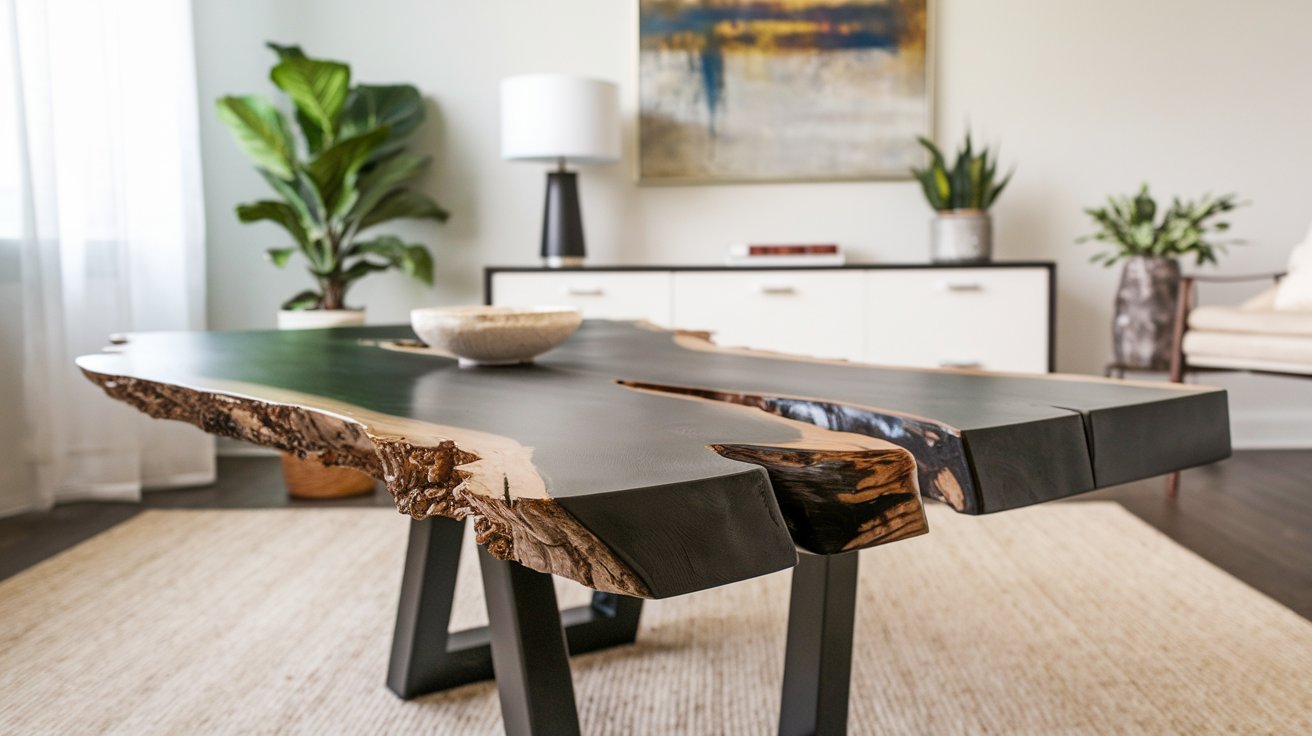
Black epoxy live edge tables represent the perfect marriage of natural wood grain and modern design aesthetics. The black epoxy resin creates dramatic contrast against lighter wood species like walnut, maple, or cherry, highlighting the natural grain patterns while filling voids and creating smooth surfaces. These tables maintain the organic shape of the wood’s natural edge, making each piece completely unique.
The manufacturing process involves carefully selecting wood slabs with interesting grain patterns and natural edge characteristics. The epoxy resin for live edge table construction requires precise mixing ratios and controlled curing conditions to achieve the deep, glossy black finish that defines these pieces. Professional craftsmen often use high-quality epoxy systems that cure to crystal clarity while maintaining their deep black pigmentation.
Natural Wood and Epoxy Harmony
The beauty of live edge epoxy coffee table designs lies in their ability to showcase wood’s natural character while providing modern functionality. Black epoxy fills natural cracks, voids, and bark inclusions, creating smooth surfaces that are both practical and visually striking. This combination preserves the wood’s organic beauty while enhancing its structural integrity and usability.
Durability and Longevity Benefits
Professional-grade black epoxy systems provide exceptional durability, with properly maintained tables lasting decades. The epoxy resin table kit components used in quality construction resist UV degradation, heat damage, and daily wear. When professionally applied, black epoxy creates surfaces that are harder and more resilient than traditional wood finishes while maintaining their dramatic appearance.
Black Epoxy Live Edge Table Pricing in 2025
Understanding black epoxy live edge table price factors helps buyers make informed decisions. In 2025, prices typically range from $800 for smaller coffee tables to $8,000 for large dining tables, depending on wood species, table dimensions, and craftsmanship quality. Custom pieces from renowned artisans can command premium prices of $15,000 or more for exceptional specimens.
Factors affecting pricing include wood species rarity, slab size and thickness, complexity of epoxy work, and finishing quality. Black epoxy live edge table for sale options vary significantly based on these criteria. Walnut and maple tables generally cost less than exotic species like Brazilian rosewood or figured maple, while larger dining tables require more materials and labor than coffee tables.
Coffee Table Price Ranges
Small live edge epoxy coffee table pieces measuring 36-48 inches typically range from $800 to $2,500. Mid-sized coffee tables spanning 48-60 inches generally cost $1,500 to $4,000, while oversized statement pieces can reach $5,000 or more. These prices reflect quality construction using domestic hardwoods and professional-grade black epoxy systems.
Dining Table Investment Costs
Dining tables represent the largest investment in black epoxy live edge table furniture. Tables seating 6-8 people typically cost $3,500 to $8,000, while larger tables accommodating 10-12 people can exceed $12,000. Premium wood species and complex epoxy work can significantly increase these base prices, making custom dining tables substantial furniture investments.
Best Epoxy Types for Live Edge Tables
Selecting the right epoxy for live edge table construction determines both appearance and longevity. Deep pour epoxy resins specifically formulated for thick applications work best for live edge projects, as they cure without excessive heat generation that can cause cracking or yellowing. Popular professional systems include EpoxyPlus Deep Pour, TotalBoat ThickSet, and West System epoxy with appropriate additives.
Black pigmentation options range from carbon black powder to specialized black epoxy colorants. Quality epoxy resin table kit components should include UV inhibitors to prevent yellowing and maintain the deep black color over time. The best systems cure to a hard, glass-like finish that can be sanded and polished to achieve professional results.
Professional-Grade Epoxy Systems
Commercial fabricators typically use two-part epoxy systems with extended working times and low-exotherm formulations. These epoxy systems cure slowly and evenly, preventing the bubbling and cracking that can occur with fast-curing formulations. Professional systems also offer superior adhesion to wood substrates and long-term stability under varying environmental conditions.
DIY Epoxy Options and Considerations
DIY enthusiasts can achieve excellent results with consumer-grade deep pour epoxy systems. Black epoxy live edge table DIY projects require careful planning, proper mixing ratios, and controlled curing environments. Success depends on following manufacturer instructions precisely and allowing adequate curing time between pours for thick applications.
DIY Black Epoxy Live Edge Table Construction
Creating a black epoxy live edge table DIY project requires careful planning, proper materials, and patience. The process typically takes 2-3 weeks from start to finish, including wood preparation, epoxy application, and final finishing. Success depends on having adequate workspace, proper ventilation, and temperature control during the curing process.
Essential tools include circular saws, routers, orbital sanders, mixing containers, and protective equipment. The wood slab must be properly dried to 8-12% moisture content to prevent epoxy adhesion problems. Epoxy resin table kit components should include sufficient resin for the planned pour depth, typically calculated at 12 cubic inches per mixed gallon.
Wood Selection and Preparation
Choosing the right wood slab forms the foundation of successful live edge table construction. Look for slabs with interesting grain patterns, minimal checking, and stable moisture content. Popular species include walnut, cherry, maple, and oak, each offering different grain characteristics that complement black epoxy beautifully.
Epoxy Mixing and Application Techniques
Proper epoxy mixing requires precise measurement and thorough blending to avoid streaks or weak spots. Black epoxy should be mixed in small batches to maintain working time, with each pour limited to 1-2 inches in depth. Multiple thin pours create better results than single thick applications that can generate excessive heat and cause cracking.
Downsides and Limitations of Epoxy Tables
While beautiful, epoxy tables have several downsides that potential buyers should understand. Heat sensitivity represents the primary concern, as hot items can leave permanent white marks or cause surface damage. Epoxy surfaces also show scratches more readily than traditional wood finishes and require careful maintenance to preserve their appearance.
Repair challenges present another significant limitation. Unlike solid wood that can be sanded and refinished, damaged epoxy sections often require complete removal and replacement. Epoxy tables also lack the warmth and tactile qualities that many people associate with traditional wood furniture, creating a more industrial aesthetic that may not suit all decorating styles.
Heat and Chemical Sensitivity
Epoxy surfaces can be damaged by temperatures above 120°F, making coasters and trivets essential for protecting black epoxy live edge table surfaces. Chemical cleaners, alcohol, and acidic substances can also cause cloudiness or permanent damage. Daily maintenance requires only mild soap and water to preserve the finish quality.
Long-term Maintenance Requirements
Maintaining the appearance of epoxy tables requires regular polishing and careful handling. Scratches from daily use accumulate over time, requiring professional refinishing to restore the original luster. UV exposure can cause yellowing in lower-quality epoxy systems, making window placement an important consideration for long-term appearance.
Best Finishes for Live Edge Tables
The best finish for a live edge table depends on the intended use and desired appearance. For epoxy sections, automotive-grade polishing compounds create the highest gloss levels, while wood sections may benefit from penetrating oil finishes that enhance grain appearance. Many professionals apply thin topcoats of marine-grade polyurethane over epoxy surfaces for additional protection.
Matte finishes offer practical advantages by hiding fingerprints and minor scratches while providing a more subtle appearance. Satin finishes provide moderate sheen with good durability, making them popular for dining tables that receive heavy use. Live edge table finishes should be selected based on the balance between appearance and practical considerations for the intended application.
How Long Epoxy Tables Last
Quality epoxy will last for decades when properly constructed and maintained. Professional-grade epoxy systems with UV inhibitors maintain their appearance for 20-30 years under normal indoor conditions. However, the actual lifespan depends heavily on construction quality, epoxy type, and maintenance practices throughout the table’s life.
Factors affecting longevity include UV exposure, temperature fluctuations, and physical abuse. How long epoxy maintains its original appearance varies with usage patterns, but properly cared for tables show minimal degradation over their first decade. Regular maintenance and protection from heat and chemicals significantly extend service life and preserve investment value.
Related video about black epoxy live edge table
This video complements the article information with a practical visual demonstration.
Most asked questions about black epoxy live edge table
What epoxy is best for live edge tables?
Deep pour epoxy resins specifically formulated for thick applications work best, such as EpoxyPlus Deep Pour or TotalBoat ThickSet. These systems cure without excessive heat generation and include UV inhibitors to prevent yellowing. Professional-grade systems with extended working times provide the best results for achieving smooth, bubble-free finishes in thick applications.
What are the main downsides of epoxy tables?
Heat sensitivity is the primary downside, as temperatures above 120°F can cause permanent damage. Epoxy surfaces also scratch easily, show fingerprints readily, and are difficult to repair compared to solid wood. Additionally, they lack the natural warmth of traditional wood furniture and may yellow over time without proper UV protection.
What is the best finish for a live edge table?
The best finish depends on use and preference. For high-gloss appearance, automotive polishing compounds work excellently on epoxy sections. Marine-grade polyurethane topcoats provide additional protection, while oil finishes enhance wood grain. Satin finishes offer good durability with moderate sheen, making them ideal for dining tables receiving heavy use.
How long will epoxy last in a table?
Quality epoxy systems with UV inhibitors last 20-30 years under normal indoor conditions when properly maintained. Professional-grade construction and regular care significantly extend lifespan. Factors affecting longevity include UV exposure, temperature fluctuations, and physical abuse, but well-maintained tables show minimal degradation over their first decade of use.
How much does a black epoxy live edge table cost?
Prices range from $800 for small coffee tables to $8,000 for large dining tables in 2025. Custom pieces from renowned artisans can exceed $15,000. Factors affecting cost include wood species, table size, epoxy work complexity, and craftsmanship quality. Coffee tables typically cost $800-2,500, while dining tables range from $3,500-8,000.
Can I make a black epoxy live edge table myself?
Yes, DIY construction is possible with proper planning, materials, and workspace. The process takes 2-3 weeks including wood preparation, epoxy application, and finishing. Success requires temperature control, proper ventilation, and following manufacturer instructions precisely. Essential tools include saws, sanders, mixing containers, and protective equipment for safe construction.
| Key Aspect | Important Details | Benefit |
|---|---|---|
| Price Range | $800-$8,000+ depending on size and quality | Options for every budget level |
| Durability | 20-30 years with proper maintenance | Long-term furniture investment |
| Best Epoxy | Deep pour systems with UV inhibitors | Professional results and longevity |
| DIY Feasibility | Possible with proper planning and materials | Cost savings and personal satisfaction |
| Maintenance | Regular cleaning and heat protection required | Preserves appearance and value |