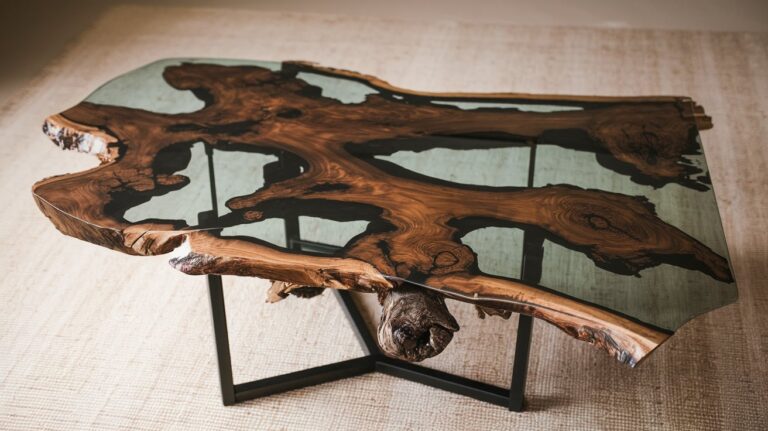
Sealing Live Edge Wood: Complete 2024 Finishing Guide
Sealing live edge wood properly is crucial for preserving its natural beauty and preventing damage from moisture, insects, and environmental factors. This comprehensive guide covers proven techniques, best products, and expert methods to seal live edge wood effectively while maintaining its organic character and durability for years to come.
Understanding Live Edge Wood and Sealing Basics
Live edge wood maintains the natural edge of the tree, creating unique furniture pieces with organic curves and bark elements. The exposed edges and porous surfaces require specialized sealing techniques to prevent moisture penetration, cracking, and insect damage. Unlike traditional lumber, live edge slabs present challenges including varying wood density, bark attachment, and irregular surfaces that demand careful attention during the sealing process.
The sealing process serves multiple purposes: moisture protection, structural stability, and aesthetic enhancement. Proper sealing prevents wood movement, reduces checking, and maintains the wood’s natural color while protecting against UV damage. In the United States, where humidity levels vary dramatically across regions, choosing the right sealing method becomes critical for long-term durability and performance of live edge pieces.
Best Sealers for Live Edge Wood Projects
Selecting the appropriate sealer depends on your project’s intended use, environmental exposure, and desired finish appearance. The most effective options include penetrating epoxy sealers, polyurethane finishes, and specialized wood stabilizers that provide deep penetration and long-lasting protection.
Epoxy Sealers for Deep Penetration
Epoxy sealers offer superior penetration into end grain and porous wood areas, making them ideal for live edge applications. Products like CHILL SEALER epoxy provide excellent moisture barrier properties while strengthening weak wood fibers. These two-part systems cure to create a hard, durable surface that resists water damage and provides an excellent base for topcoat applications. Application requires mixing ratios of typically 2:1 resin to hardener, with working times of 20-30 minutes at 70°F.
Polyurethane Options and Performance
The best polyurethane for live edge wood includes marine-grade formulations that offer superior moisture resistance and UV protection. Water-based polyurethanes provide clear finishes with minimal yellowing, while oil-based versions deliver deeper wood tone enhancement and longer open times for application. Professional-grade polyurethanes like Varathane Triple Thick or Minwax Helmsman offer excellent durability ratings and are readily available across United States retail locations.
Preparing Live Edge Wood for Sealing
Proper preparation determines the success of any sealing project. Begin by thoroughly cleaning the wood surface with compressed air to remove sawdust, debris, and loose bark particles. Sand progressively from 120 to 220 grit, paying special attention to end grain areas that require extra smoothing. Surface preparation also involves checking for loose bark sections that may need removal or stabilization before sealing.
Moisture content should be below 12% for optimal sealer adhesion and curing. Use a digital moisture meter to verify readings across multiple points, especially in thicker sections where moisture may be trapped. Allow freshly cut or green wood to dry in a controlled environment for several months before sealing. Proper preparation includes masking adjacent surfaces and ensuring adequate ventilation in the work area for safe application and curing.
How to Seal Bark on Live Edge Wood
Bark preservation requires special attention since it’s often the most fragile part of live edge pieces. Sealing bark successfully involves using thin, penetrating sealers that don’t create a thick film that could crack or peel. Apply diluted epoxy or specialized bark sealers using foam brushes to avoid disturbing loose bark sections.
Bark Stabilization Techniques
Before sealing, test bark adhesion by gently probing with a putty knife. Loose sections should be carefully removed or stabilized with thin cyanoacrylate adhesive. Bark stabilization prevents future failures and ensures the sealer bonds properly to stable surfaces. Allow stabilizing adhesives to cure completely before applying primary sealers, typically 24 hours in controlled temperature conditions.
Multiple Coat Application Methods
Apply bark sealers in multiple thin coats rather than single heavy applications. Each coat should be allowed to penetrate fully before applying subsequent layers. Multiple coat application builds protection gradually while maintaining bark flexibility and natural appearance. Sand lightly between coats with 320-grit paper to ensure proper adhesion and smooth final results.
Weatherproofing Live Edge Wood for Outdoor Use
Outdoor applications demand superior protection against UV radiation, temperature fluctuations, and moisture exposure. Weatherproofing live edge wood requires marine-grade sealers and UV-blocking topcoats that maintain flexibility while providing maximum protection. Consider regional climate factors when selecting products, as desert conditions require different solutions than coastal or northern climates.
Spar urethanes and marine varnishes offer excellent outdoor durability with built-in UV inhibitors and flexible film formation. These products accommodate wood movement while maintaining protective barriers. Weather protection systems typically require reapplication every 2-3 years depending on exposure levels and local climate conditions throughout the United States.
Clear Coat Options for Live Edge Projects
Choosing the best clear coat for live edge wood depends on desired gloss level, durability requirements, and application method preferences. Water-based acrylic topcoats provide crystal-clear finishes with excellent UV resistance, while catalyzed lacquers offer superior hardness and chemical resistance for high-use surfaces like countertops and dining tables.
Gloss Level Selection and Impact
Gloss levels significantly affect both appearance and performance characteristics. High-gloss clear coats provide maximum durability and are easiest to clean but show scratches and imperfections more readily. Satin and semi-gloss finishes offer good protection while hiding minor surface defects. Matte finishes preserve natural wood appearance but may require more frequent maintenance in high-use applications.
Application Techniques for Professional Results
Proper application technique ensures smooth, even coverage without brush marks or bubbles. Use high-quality natural bristle or foam brushes for oil-based products and synthetic brushes for water-based finishes. Professional application involves maintaining wet edges, working in manageable sections, and following manufacturer’s recommended coverage rates. Temperature and humidity control during application and curing significantly impact final results.
Staining Live Edge Wood Before Sealing
The question of whether to stain live edge wood depends on desired color enhancement and wood species characteristics. Many craftspeople prefer preserving natural wood tones, but staining can enhance grain patterns and achieve color consistency across pieces. Pre-stain conditioners help ensure even color absorption, particularly important with softwoods and species with irregular grain patterns.
Water-based stains offer faster drying times and easier cleanup, while oil-based formulations provide deeper penetration and richer color development. Staining techniques for live edge pieces require careful attention to end grain areas that tend to absorb stain more heavily, potentially creating blotchy appearances without proper preparation and technique.
Common Sealing Mistakes and How to Avoid Them
Many DIY enthusiasts make critical errors that compromise sealing effectiveness and appearance. Over-application creates thick, uneven coats that may crack or peel over time. Common sealing mistakes include insufficient surface preparation, applying sealers to wet wood, and inadequate drying time between coats. These errors can result in poor adhesion, cloudy finishes, and premature failure.
Temperature and humidity control during application prevents many common problems. Working in conditions outside manufacturer specifications can cause issues like blushing, slow curing, and poor flow characteristics. Avoiding sealing mistakes requires following product instructions precisely, using proper tools, and allowing adequate curing time before use. Document your process and environmental conditions for future reference and troubleshooting.
Maintenance and Long-term Care
Properly sealed live edge wood requires periodic maintenance to preserve protection and appearance. Regular cleaning with appropriate products prevents buildup of dirt and contaminants that can degrade protective finishes. Long-term maintenance includes inspecting for wear patterns, addressing minor damage promptly, and scheduling refinishing when protection begins to fail.
Recoating schedules depend on use intensity and environmental exposure. Indoor pieces may require attention every 5-7 years, while outdoor applications need more frequent care. Maintenance planning should include documenting original products and techniques used, maintaining environmental controls when possible, and addressing issues before they become major problems requiring complete refinishing.
Related video about sealing live edge wood
This video complements the article information with a practical visual demonstration.
Everything you need to know about sealing live edge wood
What do you seal live edge wood with?
The best sealers for live edge wood include penetrating epoxy sealers for deep protection, marine-grade polyurethane for durability, and specialized wood stabilizers. Choose based on your project’s intended use, with epoxy sealers like CHILL SEALER providing excellent moisture barrier properties for most applications. Always follow manufacturer mixing ratios and application guidelines for optimal results.
How to weatherproof live edge wood?
Weatherproofing requires marine-grade sealers with UV inhibitors, followed by flexible topcoats designed for exterior use. Apply multiple thin coats allowing proper curing between applications. Spar urethanes and marine varnishes offer the best protection against temperature fluctuations and moisture exposure, typically requiring reapplication every 2-3 years depending on climate conditions.
What is the best clear coat for live edge wood?
Water-based acrylic topcoats provide crystal-clear finishes with excellent UV resistance, while catalyzed lacquers offer superior hardness for high-use surfaces. Marine varnishes work best for outdoor applications. Choose gloss levels based on desired appearance and durability requirements, with satin finishes offering good protection while hiding minor imperfections.
Should you stain live edge wood?
Staining live edge wood is optional and depends on your aesthetic preferences and wood species. Many prefer preserving natural wood tones, but staining can enhance grain patterns and achieve color consistency. If staining, use pre-stain conditioners for even absorption and pay special attention to end grain areas that absorb stain more heavily.
How long does live edge wood sealer last?
Properly applied sealers on indoor live edge pieces typically last 5-7 years before requiring maintenance. Outdoor applications need attention every 2-3 years due to UV exposure and weather conditions. Actual lifespan depends on sealer quality, application technique, wood species, and environmental factors. Regular inspection helps identify when recoating is necessary.
Can you seal live edge wood with bark attached?
Yes, but bark requires special attention and stabilization before sealing. Remove loose bark sections or stabilize them with thin cyanoacrylate adhesive. Use penetrating sealers rather than film-forming products to avoid cracking. Apply multiple thin coats with foam brushes to avoid disturbing bark attachment points, allowing full penetration between applications.
| Sealer Type | Best Use Case | Key Benefit |
|---|---|---|
| Epoxy Sealer | Deep penetration and stabilization | Superior moisture barrier |
| Marine Polyurethane | High-durability indoor/outdoor | UV protection and flexibility |
| Water-based Acrylic | Clear finish with minimal yellowing | Fast drying and easy cleanup |
| Spar Urethane | Outdoor weatherproofing | Accommodates wood movement |