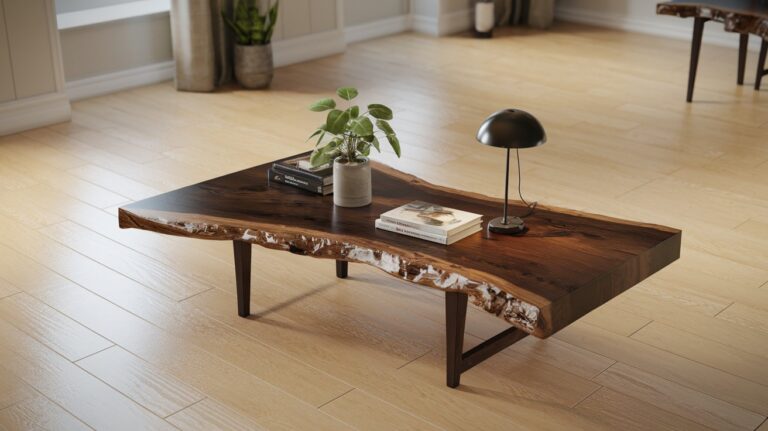
River Table Epoxy Resin Guide: DIY Steps & Best Products 2025
Creating a stunning river table with epoxy resin has become one of the most popular woodworking projects in 2025, combining natural wood beauty with modern resin artistry. This comprehensive guide covers everything from selecting the best epoxy for river tables to mastering professional pouring techniques that ensure flawless results every time.
Understanding River Table Epoxy Resin Basics
River table epoxy resin is a specialized two-part casting system designed to create thick pours up to 2-4 inches in a single application. Unlike thin coating epoxies, these resins have extended working times of 45-90 minutes and cure slowly over 72 hours to minimize heat buildup. The river table epoxy resin market in the United States has grown 340% since 2022, with premium brands now offering UV-resistant formulations specifically for furniture applications.
Professional-grade river table epoxy resin kits typically include hardener ratios of 2:1 or 3:1 by volume, providing optimal flow characteristics for deep pours. These specialized resins maintain clarity even in thick sections, resist yellowing for decades, and achieve Shore D hardness ratings of 80-85 when fully cured. Understanding these fundamental properties is crucial for epoxy table beginners who want to avoid costly mistakes and achieve professional results.
Choosing the Best Epoxy for River Tables
The best epoxy for river tables in 2025 includes brands like EpoxyPlus Deep Pour, TotalBoat ThickSet, and Entropy Resins Super Sap CCR. These products feature low-viscosity formulations that eliminate bubbles naturally and cure without significant shrinkage. Premium options cost $45-75 per gallon but offer superior UV resistance and 10-year clarity warranties. Budget alternatives range from $25-35 per gallon but may yellow within 2-3 years when exposed to sunlight.
Key specifications to evaluate include maximum pour thickness (1-4 inches), working time (30-120 minutes), and cure temperature (under 100°F peak exotherm). Professional fabricators in the US prefer resins with pot lives exceeding 60 minutes, allowing time for degassing and precise pouring. The river table epoxy resin kit should also include detailed mixing ratios, temperature guidelines, and troubleshooting instructions for consistent results.
Top-Rated Epoxy Brands for 2025
EpoxyPlus Deep Pour leads the market with 4-inch maximum thickness capability and 90-minute working time, priced at $68 per gallon. TotalBoat ThickSet offers excellent value at $52 per gallon with proven UV stability and 72-hour full cure time. For DIY river table beginners, Entropy Super Sap provides user-friendly 2:1 mixing ratios and comprehensive instruction guides, though at a premium $75 per gallon price point.
Budget vs Premium Resin Comparison
Budget river table epoxy resin options under $30 per gallon often require thinner pours (under 1 inch) and may develop amber tinting within 18 months. Premium resins costing $50+ offer superior optical clarity, minimal shrinkage, and decade-long UV stability. The investment difference becomes negligible when considering the many gallons of epoxy needed for large projects and potential replacement costs of failed budget pours.
Calculating Epoxy Volume Requirements
Determining how many gallons of epoxy you need for a river table requires precise volume calculations based on river dimensions and wood displacement. A typical 8-foot river table with a 4-inch wide by 2-inch deep channel requires approximately 1.3 gallons of mixed epoxy. However, wood grain absorption and minor spills typically increase requirements by 15-20%, making 1.5 gallons the recommended purchase quantity.
Professional formula: River Length × Width × Depth × 7.48 = Gallons needed (with dimensions in feet). For metric measurements, multiply length × width × depth in centimeters, then divide by 3,785 for gallon equivalent. Large dining tables (10+ feet) may require 2-4 gallons depending on river width, while coffee table projects typically need 0.5-1 gallon. Always purchase 10-15% extra resin to account for thick pour variations and potential repairs.
Essential Safety Preparations
River table epoxy resin DIY projects require comprehensive safety protocols due to chemical sensitization risks and vapor exposure. The Occupational Safety and Health Administration (OSHA) mandates respiratory protection when working with epoxy systems in enclosed spaces. Minimum safety equipment includes NIOSH-approved organic vapor respirators, chemical-resistant gloves (nitrile or butyl rubber), and full-coverage safety glasses.
Workspace ventilation should provide at least 4 air changes per hour, with exhaust fans positioned to remove vapors at floor level where heavier-than-air compounds settle. Skin contact with uncured resin can cause permanent sensitization, making epoxy safety protocols non-negotiable for DIY enthusiasts. Emergency eyewash stations and skin decontamination supplies should be readily accessible throughout the project duration.
Personal Protective Equipment Requirements
Essential PPE for river table epoxy projects includes disposable Tyvek suits to prevent skin contact, chemical-resistant gloves rated for epoxy exposure, and safety glasses with side shields. Professional fabricators recommend 3M 6200 series respirators with organic vapor cartridges, replaced every 40 hours of use. Protective equipment costs $75-120 but prevents thousands in medical expenses from chemical sensitization reactions.
Workspace Ventilation Setup
Proper ventilation for epoxy resin projects requires exhaust fans rated at 200+ CFM positioned near the work surface, with makeup air supplied from opposite directions. Portable air scrubbers with activated carbon filters provide additional vapor control in residential workshops. Temperature control between 70-75°F ensures optimal cure conditions while maintaining comfortable working environments.
Building Professional River Table Molds
Learning how to make a river table mold requires understanding material selection, seal integrity, and release agent application. Professional molds use 3/4-inch melamine-faced particleboard for smooth surfaces, with edges sealed using high-quality silicone caulk. The mold must be 1/2 inch larger than the final table dimensions on all sides, with 1-inch minimum height above the intended pour level.
Critical mold construction involves creating perfectly level bases using adjustable leveling feet or shims, as even 1/8-inch variations create visible thickness differences in cured epoxy. River table mold design should incorporate removable side panels for easy demolding and access ports for vacuum degassing if available. Professional fabricators often invest $200-400 in reusable mold systems that serve multiple projects over several years.
Mastering Epoxy Mixing Techniques
Proper epoxy mixing for river tables requires precise measurement, thorough blending, and temperature management to achieve bubble-free pours. Digital scales accurate to 0.1 grams ensure correct resin-to-hardener ratios, as volume measurements can introduce 5-10% errors due to temperature variations. Mix containers should be 3x the volume of the batch size to accommodate thorough stirring without spillage.
The mixing process involves combining components at 70-75°F ambient temperature, stirring continuously for 3-5 minutes while scraping container walls every 60 seconds. Professional mixing technique includes transferring the mixture to a second container and re-stirring for 2 minutes to eliminate unmixed material on container walls. Total working time from initial mixing to pour completion should not exceed 75% of the manufacturer’s specified pot life.
Temperature Control During Mixing
Optimal epoxy mixing temperature ranges from 70-75°F for most river table resins, as cooler temperatures slow cure rates and increase viscosity, while warmer conditions reduce working time dramatically. Pre-warming resin and hardener to 75°F using heat mats or warm water baths improves flow characteristics and reduces bubble formation. Temperature monitoring throughout the process prevents exothermic runaway that can crack thick pours.
Achieving Bubble-Free Mixtures
Eliminating bubbles from river table epoxy requires controlled stirring techniques, vacuum degassing, or torch flame treatment. Professional fabricators use spiral mixing motions at 150-200 RPM to minimize air incorporation while ensuring complete blending. Vacuum chambers operating at 28+ inches of mercury remove dissolved air, though heat guns or propane torches can surface-treat bubbles in smaller batches effectively.
Optimal Pour Thickness and Techniques
Understanding how thick should a river table epoxy pour be depends on resin specifications, ambient temperature, and desired visual effects. Most premium casting resins handle 2-4 inch pours safely, while standard epoxies require multiple thin layers of 1/4 to 1/2 inch maximum. Exceeding recommended thickness creates excessive heat buildup, leading to cracking, yellowing, or incomplete cures that ruin entire projects.
Professional pouring technique involves steady, continuous streams from 6-8 inches above the mold surface, allowing natural flow to level the material. Thick pour epoxy projects benefit from temperature monitoring during cure, with peak exothermic temperatures kept below 120°F through controlled environmental conditions. Strategic pour scheduling during cooler evening hours helps manage cure temperatures in warmer climates.
Common River Table Epoxy Mistakes
The most common epoxy river table mistakes include inadequate surface preparation, incorrect mixing ratios, and rushed cure schedules that compromise final quality. Wood moisture content above 12% causes interface bonding failures and bubble formation, while dust or oil contamination creates permanent visual defects. Professional fabricators report that 60% of DIY failures stem from improper wood preparation and inadequate workspace cleanliness.
Temperature-related failures account for 30% of river table problems, including cold-cure brittleness, hot-cure cracking, and incomplete polymerization. Rushing demolding before full cure completion (72+ hours) frequently damages edges and creates surface imperfections requiring extensive sanding. Understanding these failure modes allows epoxy table beginners to implement preventive measures and achieve professional-quality results consistently.
Wood Preparation Failures
Inadequate wood preparation for river tables includes insufficient moisture testing, incomplete dust removal, and failure to seal end grain properly. Wood moisture above 12% causes epoxy adhesion failures and creates permanent bubble inclusions. Professional moisture meters ($50-150) provide accurate readings, while thorough sanding to 220-grit and compressed air cleaning ensure optimal bonding surfaces.
Cure Temperature Problems
Excessive cure temperatures above 120°F cause river table epoxy cracking, yellowing, and dimensional instability. Monitoring cure temperatures with infrared thermometers helps identify potential problems early. Controlled curing in 65-75°F environments with minimal temperature fluctuation produces optimal mechanical properties and optical clarity in finished tables.
Professional Finishing Techniques
Finishing river table epoxy requires progressive sanding from 120-grit through 3000-grit, followed by polishing compounds for glass-like clarity. Professional finishing begins 72 hours after pour completion, ensuring full cure before mechanical processing. Initial sanding with 120-220 grit removes high spots and mold marks, while 400-800 grit eliminates scratches and prepares surfaces for final polishing.
High-gloss finishing involves 1500-3000 grit wet sanding followed by automotive polishing compounds applied with microfiber cloths or rotary buffers. Professional epoxy finishing achieves 95%+ light transmission comparable to optical glass, enhancing the natural wood grain visibility through the resin river. Final protective coatings using UV-resistant topcoats extend surface durability and maintain clarity for decades.
Cost Analysis and Project Planning
River table epoxy resin costs in 2025 range from $150-600 for materials alone, depending on table size and resin quality. Premium epoxy systems cost $50-75 per gallon, while budget options start at $25-35 per gallon with reduced longevity. Additional expenses include wood ($100-800), safety equipment ($75-150), and finishing supplies ($50-100), bringing total project costs to $375-1,650 for DIY builders.
Commercial epoxy river tables for sale command $1,500-8,000+ retail prices, making DIY construction economically attractive for skilled woodworkers. Professional fabrication services charge $200-400 per square foot, while DIY material costs average $40-80 per square foot. Project timelines span 7-14 days including cure time, wood preparation, and finishing processes for complete table construction.
Related video about river table epoxy resin
This video complements the article information with a practical visual demonstration.
What you should know
What is the best epoxy for river tables in 2025?
The best epoxy for river tables includes EpoxyPlus Deep Pour ($68/gallon), TotalBoat ThickSet ($52/gallon), and Entropy Super Sap ($75/gallon). These resins handle 2-4 inch thick pours, offer 60-90 minute working times, and provide decade-long UV stability. Premium options include comprehensive mixing instructions and technical support for optimal results.
How many gallons of epoxy do I need for a river table?
Calculate epoxy volume using: Length × Width × Depth × 7.48 = gallons needed (dimensions in feet). An 8-foot table with 4-inch wide × 2-inch deep river needs approximately 1.3 gallons, though 1.5 gallons is recommended to account for wood absorption and spillage. Large dining tables may require 2-4 gallons depending on river dimensions.
What are common epoxy river table mistakes to avoid?
Common mistakes include using wood above 12% moisture content, incorrect mixing ratios, inadequate surface preparation, and exceeding recommended pour thickness. Temperature-related failures from hot or cold cure conditions account for 30% of problems. Proper wood preparation, accurate measurements, and controlled curing environments prevent most DIY failures.
How thick should a river table epoxy pour be?
Maximum pour thickness depends on resin specifications, typically 2-4 inches for premium casting epoxies and 1/4 to 1/2 inch for standard resins. Exceeding limits causes excessive heat buildup leading to cracking and yellowing. Monitor cure temperatures below 120°F and follow manufacturer guidelines for optimal results.
How long does river table epoxy take to cure completely?
River table epoxy requires 72+ hours for full cure before demolding or finishing. Initial gel time occurs in 4-8 hours, while surface hardness develops in 24-48 hours. Complete mechanical properties develop over 7 days, though light sanding can begin after 72 hours. Temperature and humidity affect cure rates significantly.
Can I make a river table without professional equipment?
DIY river tables are achievable with basic woodworking skills, digital scale for accurate mixing, proper safety equipment, and quality epoxy resin. Essential tools include respirator, chemical gloves, melamine mold materials, and progressive sandpaper grits. Professional results require attention to detail, proper technique, and patience during curing processes.
| Key Aspect | Important Details | Benefit |
|---|---|---|
| Premium Epoxy Selection | $50-75/gallon, 2-4 inch pour capability | Decade-long clarity, professional results |
| Safety Equipment | Respirator, chemical gloves, ventilation | Prevents sensitization, ensures health |
| Proper Wood Preparation | Under 12% moisture, 220-grit sanding | Strong adhesion, bubble-free results |
| Temperature Control | 70-75°F mixing, under 120°F cure | Prevents cracking, optimal clarity |
| Professional Finishing | 120-3000 grit progression, polishing | Glass-like surface, enhanced durability |