Live Edge Tables With Epoxy: Complete 2025 Buyer’s Guide
Live edge tables with epoxy have become the pinnacle of modern furniture design, combining natural wood beauty with cutting-edge resin technology. These stunning pieces transform raw lumber into functional art, with epoxy resin filling voids and creating crystal-clear surfaces that highlight the wood’s natural grain. In 2025, the US market has seen unprecedented demand, with prices ranging from $800 for coffee tables to $5,000+ for custom dining pieces.
What Are Live Edge Tables With Epoxy
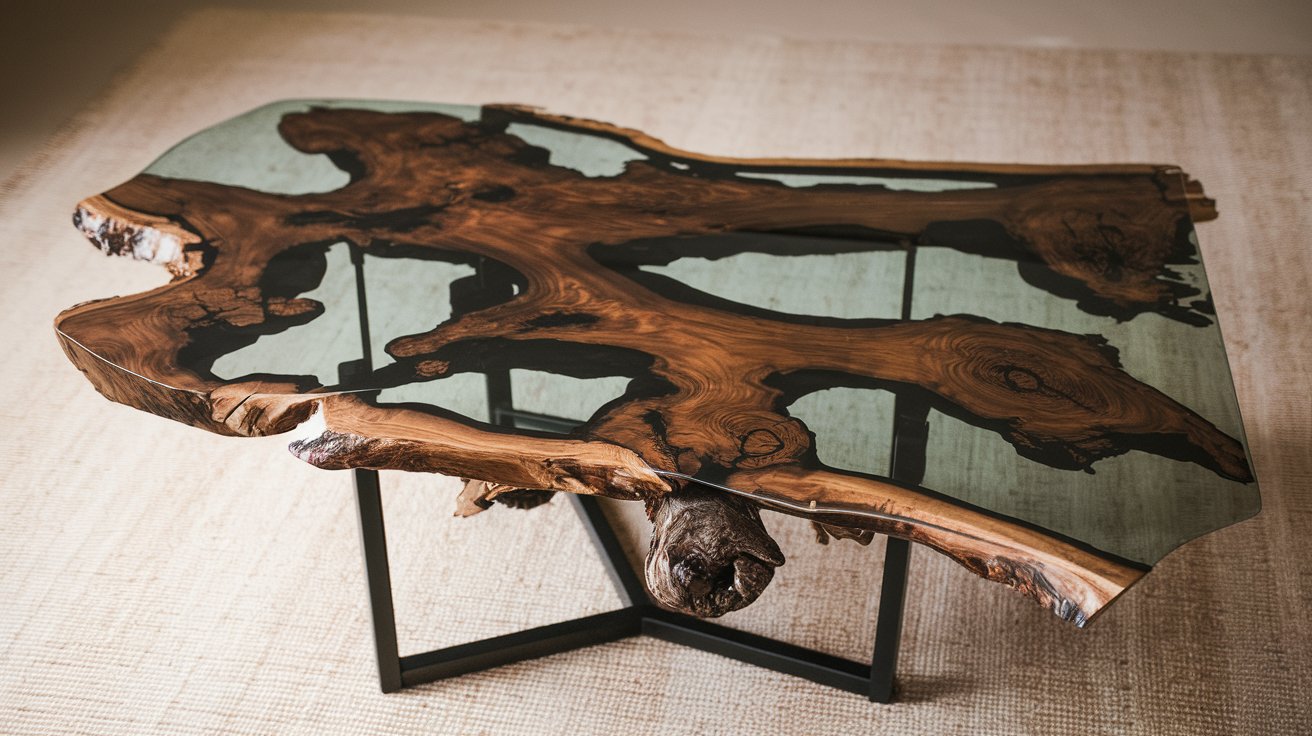
Live edge tables with epoxy represent the perfect marriage between nature and modern technology. These furniture pieces preserve the natural, uncut edge of wood slabs while using epoxy resin to fill cracks, knots, and voids. The result is a smooth, durable surface that maintains the wood’s organic character while providing practical functionality for daily use.
The process involves carefully selecting premium wood slabs, typically walnut, oak, or maple, and combining them with high-grade epoxy table resins. Unlike traditional furniture that hides wood imperfections, these tables celebrate natural flaws by turning them into stunning visual features. The epoxy cures to create a glass-like finish that’s both beautiful and incredibly durable.
Benefits and Advantages of Epoxy Live Edge Tables
The popularity of live edge tables with epoxy stems from their unique combination of aesthetic appeal and practical benefits. These pieces offer unmatched durability, with properly cured epoxy surfaces lasting 20-30 years with minimal maintenance. The resin creates a waterproof barrier that protects the underlying wood from moisture damage, stains, and everyday wear.
From a design perspective, each table is completely unique due to the natural variations in wood grain and the organic placement of epoxy resin. This exclusivity makes them valuable conversation pieces and investment furniture. Additionally, the smooth epoxy surface is easy to clean and maintain, requiring only gentle soap and water for daily care, making them practical for busy households across the United States.
Live Edge Tables With Epoxy Price Guide for 2025
Understanding live edge tables with epoxy price ranges helps buyers make informed decisions in the current US market. Coffee table sizes (36-48 inches) typically range from $800-$2,500, while dining tables (72-96 inches) can cost $2,500-$8,000 depending on wood species and complexity. Custom pieces with intricate epoxy designs or premium walnut can exceed $10,000.
Several factors influence pricing including wood species rarity, slab size, epoxy complexity, and craftsmanship quality. Domestic hardwoods like oak and maple offer more affordable options, while exotic species like walnut or cherry command premium prices. The amount of epoxy resin required also impacts cost, with river tables needing significantly more material than simple void-filling applications.
Best Wood Species for Epoxy Tables
Selecting the right wood species is crucial for creating stunning live edge tables with epoxy. Walnut remains the gold standard, offering rich chocolate tones and dramatic grain patterns that contrast beautifully with clear epoxy. Its stability and workability make it ideal for both beginners and professionals, though prices have increased 25% in 2024 due to high demand.
Oak provides an excellent balance of beauty, durability, and affordability for epoxy table projects. Its prominent grain structure creates striking visual interest when combined with resin, while its abundant availability keeps costs reasonable. Maple offers lighter tones perfect for contemporary designs, and its tight grain structure minimizes the risk of air bubbles during epoxy application.
Epoxy Resin Selection and Quality Standards
Choosing the right epoxy for your live edge table project determines both appearance and longevity. High-quality table-grade epoxies like West System, TotalBoat, or EpoxyPlus offer superior clarity, UV resistance, and minimal yellowing over time. These professional-grade resins cost $40-80 per gallon but provide results that justify the investment through decades of beauty and performance.
The best epoxy resin for tables features low viscosity for deep penetration, long working times for complex pours, and excellent self-leveling properties. Look for products specifically formulated for thick pours (2-4 inches) if creating river tables, as standard epoxies can overheat and crack during curing. Temperature stability and FDA food-safe certification ensure your finished table meets safety standards for dining use.
DIY Live Edge Epoxy Table Creation Process
Creating your own epoxy table for beginners requires careful planning, quality materials, and patience. The process begins with proper wood preparation, including kiln-drying to 6-8% moisture content and thorough sanding through 220-grit. This foundation work determines the final quality more than any other factor in the build process.
Essential Tools and Materials
Successful live edge tables with epoxy creation requires specific tools including a planer, orbital sanders, mixing cups, and heat guns for bubble removal. Material needs include quality wood slabs, table-grade epoxy resin, hardener, dyes if desired, and proper safety equipment. Budget $500-1,500 for tools and materials for a first project, with costs decreasing for subsequent builds as tools are reused.
Step-by-Step Construction Guide
The construction process for epoxy table projects follows a systematic approach starting with wood preparation and dam building. Mix epoxy in small batches following manufacturer ratios exactly, typically 2:1 resin to hardener. Pour in thin layers to prevent overheating, allowing each layer to gel before adding the next. This methodical approach prevents common issues like cracking, bubbling, and uneven curing that plague rushed projects.
Professional vs DIY: Cost and Quality Comparison
The decision between purchasing professionally-made live edge tables with epoxy or DIY construction involves weighing cost, time, and quality expectations. Professional tables offer guaranteed results, warranties, and refined finishing techniques that typically surpass first-time DIY attempts. However, DIY projects can save 40-60% on costs while providing valuable learning experiences.
Professional craftsmen possess specialized tools, years of experience, and established supplier relationships that enable superior results. They understand wood movement, epoxy chemistry, and finishing techniques that prevent common failures. DIY builders should honestly assess their skill levels and available workspace before committing to epoxy table projects, as mistakes can be costly and time-consuming to correct.
Durability and Longevity Expectations
Well-constructed live edge tables with epoxy can last 25-40 years with proper care, making them excellent long-term investments. The epoxy surface resists scratches, stains, and moisture better than traditional wood finishes, while the underlying wood remains protected from environmental damage. Regular maintenance involves simple cleaning and occasional reapplication of protective coatings.
Factors affecting longevity include initial construction quality, environmental conditions, and usage patterns. Tables in climate-controlled environments with consistent humidity last longer than those exposed to extreme temperature fluctuations. UV exposure gradually yellows some epoxies, making window placement an important consideration for preserving the crystal-clear appearance that makes epoxy resin tables so appealing.
Common Problems and How to Avoid Them
Understanding potential issues helps prevent costly mistakes in live edge tables with epoxy projects. Bubbles represent the most common problem, caused by trapped air, moisture, or rapid temperature changes during curing. Prevention involves proper wood drying, gradual temperature control, and using heat guns or vacuum chambers to remove air before epoxy sets.
Cracking occurs when epoxy cures too quickly from excessive heat buildup during thick pours. This problem is prevented by pouring in thinner layers, controlling room temperature, and using slow-cure formulations for thick sections. Color inconsistencies result from improper mixing or contamination, emphasizing the importance of clean tools and thorough mixing techniques in epoxy table construction.
Maintenance and Care Instructions
Proper maintenance ensures live edge tables with epoxy retain their beauty and functionality for decades. Daily care involves using coasters, placemats, and trivets to prevent direct contact with hot items, liquids, and sharp objects. Clean surfaces with mild soap and warm water, avoiding harsh chemicals or abrasive cleaners that can damage the epoxy finish.
Annual maintenance includes thorough cleaning, inspection for minor damage, and application of appropriate protective coatings if needed. Small scratches in epoxy resin surfaces can often be polished out using automotive compounds, while deeper damage may require professional refinishing. Protecting tables from direct sunlight and maintaining consistent humidity levels prevents long-term degradation and preserves the original appearance.
Where to Buy Live Edge Epoxy Tables in 2025
Finding quality live edge tables with epoxy for sale requires research into reputable sources ranging from local craftsmen to established furniture retailers. Artisan marketplaces like Etsy and CustomMade connect buyers with skilled woodworkers across the United States, while furniture stores increasingly stock these popular pieces to meet growing demand.
Local searches for live edge tables with epoxy near me often reveal nearby craftsmen who can create custom pieces while allowing hands-on inspection of materials and workmanship. This approach supports local businesses while enabling better communication about specific requirements, timeline expectations, and customization options that mass-produced furniture cannot offer.
Related video about live edge tables with epoxy
This video complements the article information with a practical visual demonstration.
Most asked questions about live edge tables with epoxy
What are the downsides of epoxy tables?
The main downsides include high initial cost ($800-$8,000+), sensitivity to UV light causing yellowing over time, difficulty repairing deep scratches or cracks, and potential health concerns during DIY application without proper ventilation. Additionally, some epoxies can feel plasticky compared to natural wood finishes, and heat damage from hot items can create permanent white marks.
What epoxy is best for live edge tables?
West System, TotalBoat ThickSet, and EpoxyPlus are considered the best epoxy brands for table projects in 2025. Look for table-grade formulations with UV resistance, low viscosity for deep penetration, 2-4 inch pour capability, and FDA food-safe certification. Expect to pay $40-80 per gallon for quality products that provide crystal clarity and long-term durability.
How long will epoxy last in a table?
High-quality table epoxy typically lasts 20-30 years with proper care and maintenance. Factors affecting longevity include epoxy grade, UV exposure, temperature fluctuations, and usage patterns. Professional applications with UV-resistant formulations in controlled environments can exceed 40 years, while lower-grade products or harsh conditions may show degradation within 10-15 years.
What is the best finish for a live edge table?
For live edge tables, penetrating oil finishes like Odie’s Oil or Rubio Monocoat provide excellent protection while maintaining natural wood feel. For epoxy sections, the cured resin itself serves as the finish, though some builders apply additional polyurethane topcoats for enhanced durability. The combination should be food-safe, moisture-resistant, and easy to maintain for optimal long-term performance.
Are live edge epoxy tables worth the investment?
Yes, quality live edge epoxy tables justify their cost through unique aesthetics, 25-40 year lifespan, and strong resale value retention. They serve as functional furniture and art pieces simultaneously. However, buyers should budget appropriately ($800-$8,000+) and choose reputable craftsmen or high-quality DIY materials to ensure lasting satisfaction with their investment.
Can I make a live edge epoxy table myself?
Yes, DIY epoxy tables are possible for beginners with proper tools, materials, and patience. Success requires kiln-dried wood slabs, table-grade epoxy, adequate workspace, and safety equipment. Budget $500-1,500 for first projects and expect 2-4 weeks completion time. Consider starting with smaller pieces like coffee tables before attempting dining table projects to develop skills and confidence.
| Key Aspect | Important Details | Benefit |
|---|---|---|
| Price Range 2025 | $800-$8,000+ depending on size and wood | Investment furniture with strong resale value |
| Durability | 20-40 years with proper maintenance | Long-term cost efficiency and reliability |
| Best Epoxy Brands | West System, TotalBoat, EpoxyPlus | Crystal clarity and UV resistance |
| Wood Species | Walnut, oak, and maple most popular | Beautiful grain patterns and stability |
| DIY vs Professional | DIY saves 40-60% but requires skills | Cost savings with learning experience |